
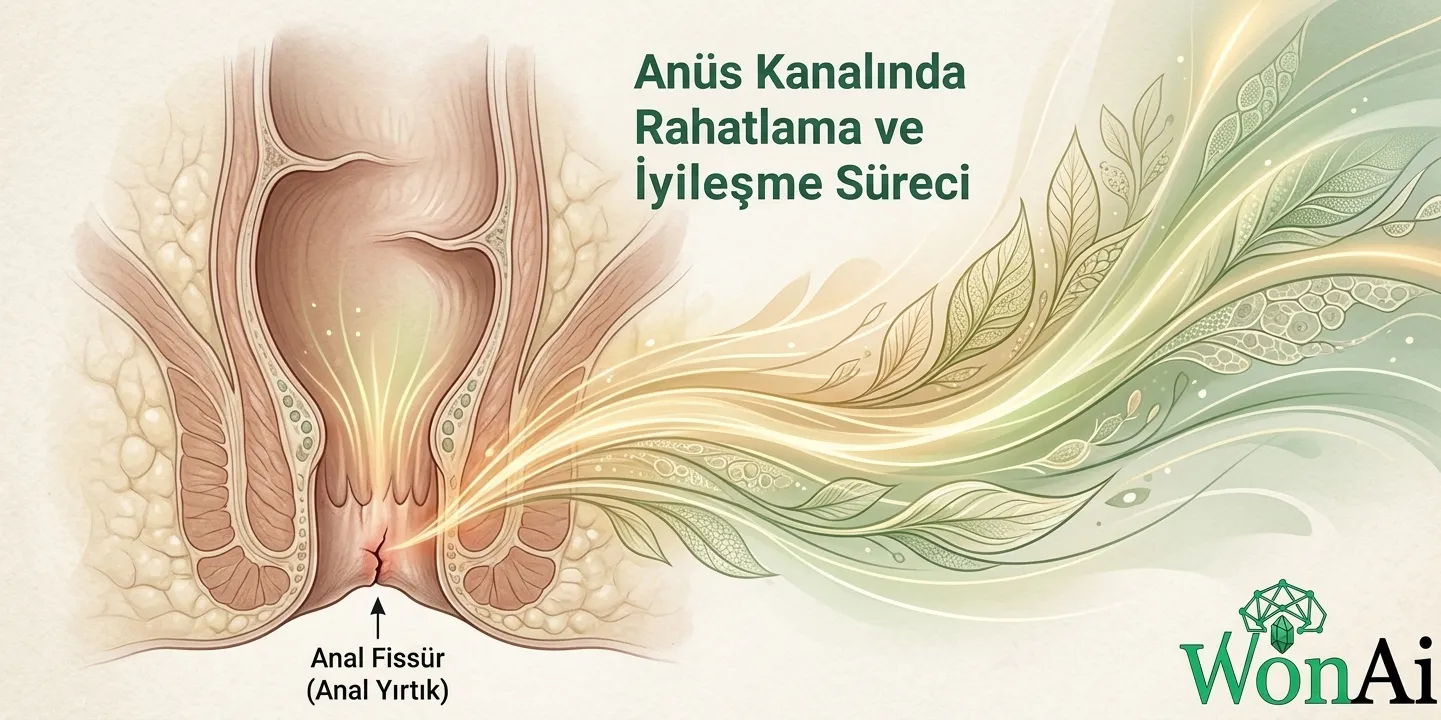
What is an Anal Fissure?
An anal fissure is a small tear or crack in the delicate tissue lining the last part of the anal canal. It is a common digestive system disorder, typically characterized by severe pain, burning, and fresh red bleeding during and after defecation, which can significantly affect individuals' quality of life.
What is the difference between an anal fissure and hemorrhoids?
Although these two conditions are often confused, their mechanisms are entirely different. Hemorrhoids are dilated veins (varices) in the anal region, whereas an anal fissure is a physical crack in the skin of the anus. The most prominent complaint in anal fissures is a sharp, knife-like pain during defecation, while internal hemorrhoids typically manifest with painless bleeding.
Does an anal fissure heal on its own?
Newly developed (acute) fissures may heal spontaneously within a few weeks with lifestyle adjustments such as preventing constipation, consuming a fiber-rich diet, drinking plenty of water, and warm sitz baths. However, chronic fissures that persist beyond 6-8 weeks, where muscle spasm deepens, require medical intervention and medical/injection treatments under physician supervision.
How does botox injection work in the treatment of anal fissure?
Botox application temporarily (approximately 3-6 months) disables the involuntary spasm in the internal anal sphincter muscle. With muscle relaxation, blood circulation in the fissure area increases, creating a biological environment for the tissue to heal on its own without the need for surgical incision.
When should a doctor be consulted for bleeding and pain in the anal region?
Rectal bleeding and severe defecation pain are symptoms that always require careful investigation. To differentiate whether the bleeding originates solely from a fissure or from other intestinal pathologies such as inflammatory bowel diseases (Crohn's, ulcerative colitis) or polyps/masses, a specialist physician should be consulted without delay.
Anal fissure, a clinical condition known in medical terminology as cracks on the inner surface of the anal canal and commonly referred to as anal tear by the public. This condition, which can be accompanied by severe pain and bleeding, can be effectively managed when detected early and when the underlying causes are correctly identified. In this information guide, the causes, symptoms, and current medical approach options for anal fissure are discussed in light of scientific data.
What is an Anal Fissure and What are its Symptoms?
Anal fissure is the tearing of the anoderm, the highly sensitive tissue rich in nerve endings at the anal opening, due to stretching. This tear in the region causes severe pain, feeling like a glass cut or tearing sensation during defecation. The pain can last for minutes or even hours after defecation due to involuntary spasms in the anal muscles.
In clinical practice, anal fissure symptoms include:
- Severe Pain and Burning: Stabbing, sharp pain that begins during defecation and can continue afterward.
- Fresh Rectal Bleeding: Bright red blood observed as a streak on the stool or on toilet paper.
- Reflex Spasm and Fear of Defecation: Patients delaying going to the toilet due to pain, leading to further deepening of constipation.
- Anal Itching and Irritation: Local skin irritation developing due to discharge leaking from the fissure base.
- Skin Tag (Sentinel Pile): A small skin protrusion that can develop at the lower end of the fissure in chronic cases.
Why Do Anal Fissures Occur?
Mechanical trauma and muscle dysfunction that overcome the tissue resistance in the anal canal play a primary role in the development of anal fissures. The most common factors encountered are:
- Chronic Constipation and Hard Stools: Mechanical tearing of the anoderm tissue during the passage of dry, bulky, and hard stools is the most common cause.
- Prolonged Diarrhea: Frequent and watery bowel movements can cause chemical and mechanical irritation, disrupting mucosal integrity.
- Prolonged Straining on the Toilet: Excessive straining of the pelvic floor muscles and impaired blood flow to the region.
- Inflammatory Bowel Diseases (IBD): Especially in conditions like Crohn's disease, chronic inflammatory processes in the intestinal wall can predispose to atypically located fissure formation.
- Birth Trauma: Excessive tension on pelvic floor tissues during childbirth.
Diagnosis and Medical Approaches for Anal Fissure
Diagnosis of anal fissure is made by taking the patient's clinical history and a careful physical examination performed by a specialist physician. During the examination, patient privacy and comfort are prioritized; intrusive examinations such as rectal examination are avoided during acute painful periods. After diagnosis, appropriate staged treatment protocols are determined based on whether the fissure is in an acute (newly developed) or chronic (lasting longer than 6-8 weeks) stage.
1. Non-Surgical and Medical Treatment Options
In the vast majority of acute fissures, the primary goal is to relieve constipation, soften the stool, and resolve the spasm in the internal anal sphincter muscle to allow the tissue to heal on its own:
- Diet and Lifestyle Adjustments: Increasing daily fiber intake, adequate fluid intake, and not delaying the defecation reflex are cornerstones of treatment.
- Warm Sitz Baths: Warm water baths applied 2-3 times a day for 10-15 minutes relieve spasm in the anal sphincter muscle, increase blood flow, and alleviate pain.
- Topical Sphincter Relaxant Ointments: Medical creams containing calcium channel blockers or glyceryl trinitrate relax the internal anal sphincter muscle, supporting blood circulation at the fissure base and aiding tissue repair.
- Botulinum Toxin (Botox) Application: In cases resistant to medical treatments, botox injection applied to the internal anal sphincter muscle temporarily disables muscle spasm. This method allows the tissue to rest and heal without the need for surgery.
2. Surgical Treatment Approaches
Surgical options are considered for deep and chronic anal fissure cases that do not respond to non-surgical methods, lifestyle changes, and botox applications. The most commonly applied surgical technique is Lateral Internal Sphincterotomy (LIS). This surgical procedure, performed by general surgery specialists in an operating room setting, is based on the controlled relaxation of the internal anal sphincter muscle.
| Treatment Method | Application and Scope | Healing Process (Avg.) | Clinical Mechanism of Action |
|---|---|---|---|
| Diet and Lifestyle | High-fiber diet, plenty of fluid intake, and regular toilet routine. | Several Weeks | Softens stool consistency to prevent tissue trauma. |
| Topical Ointments | Sphincter relaxant creams applied with a doctor's prescription. | 4 - 6 Weeks | Increases local blood flow and reduces muscle spasm. |
| Botox Injection | Controlled injection into the internal anal sphincter muscle in an office/clinic setting. | 2 - 3 Months | Temporarily resolves muscle spasm, triggering natural healing. |
| Surgery (Sphincterotomy) | Surgical muscle relaxation procedure performed by General Surgery specialists. | 2 - 4 Weeks | Permanently relieves muscle spasm, relaxing the fissure base. |
Importance of Early Assessment in Anal Fissure
Anal fissure is a disease that can severely restrict patients' daily lives due to its symptoms but can be controlled with non-surgical methods when intervened at the right time. Delaying defecation due to pain leads to a chronic vicious cycle, causing the disease to deepen. When pain, burning, or bleeding is noticed in the anal region, it is recommended to consult a Gastroenterology or General Surgery specialist without delay for the differential diagnosis of other underlying inflammatory bowel diseases or rectal problems.
You Might Also Be Interested In:
Ankara Endoscopy and Colonoscopy Examinations
 Ulcerative Colitis: Symptoms, Diagnosis, and Lifestyle Management
⚖️ Legal Information and Warning:
This content has been prepared in accordance with the provisions of the Regulation on Promotion and Information Activities in Health Services, published in the Official Gazette dated November 12, 2025, and numbered 33075, to inform the public in a health-protective and health-promoting manner. The information on this site does not replace a physician's examination, personal diagnosis, or treatment method recommendation. Decisions regarding diagnosis and treatment should be made after the patient's individual clinical condition has been personally evaluated by a physician.