

Gas and Bloating: Causes, Relief Methods, and Treatment Guide
Gas and bloating are common digestive issues that significantly reduce daily life quality and comfort. They arise from excessive gas accumulation in the digestive tract, slow bowel movements, or inappropriate responses of the abdominal muscles.
While often linked to temporary lifestyle habits like eating quickly or consuming gas-producing foods, prolonged bloating that doesn't subside might indicate underlying functional or organic digestive system disorders.
Common Causes of Abdominal Gas and Bloating
Gas and bloating causing discomfort in the abdominal area are not due to a single cause but can be triggered by a combination of many different mechanisms:
1. Foods and Drinks
Some foods cannot be fully broken down by digestive enzymes in the stomach and small intestine. These undigested carbohydrates reach the large intestine, where they are fermented by bacteria, releasing significant gas:
- Legumes: Beans, chickpeas, lentils, and peas.
- Sulfurous and Fibrous Vegetables: Cabbage, broccoli, cauliflower, Brussels sprouts, leeks, and onions.
- Carbonated Beverages: Soda, mineral water, cola, and carbonated soft drinks directly introduce carbon dioxide gas into the digestive tract.
- Artificial Sweeteners: Polyols like sorbitol, xylitol, and mannitol found in chewing gum and diet products are rapidly fermented in the large intestine.
2. Eating and Drinking Habits (Air Swallowing - Aerophagia)
Under normal circumstances, a small amount of air is swallowed with each gulp. However, certain habits can significantly increase the amount of swallowed air, leading to gas trapped in the stomach:
- Eating too quickly without chewing sufficiently,
- Constantly talking while eating,
- Drinking liquids with a straw or directly from the bottle,
- Chewing gum and using tobacco products throughout the day.
3. Digestive System Disorders and Absorption Problems
Bloating sometimes results from dysfunctions in the physiological functions of the digestive tract:
- Irritable Bowel Syndrome (IBS): Hypersensitivity of the intestines to gas (visceral hypersensitivity) due to a gut-brain interaction disorder.
- Food Intolerances: Deficiency of the enzyme that breaks down milk sugar (Lactose intolerance) or impaired absorption of fruit sugar (Fructose malabsorption).
- Celiac Disease: Autoimmune intestinal damage developed against gluten protein.
- Bowel Motility Disorders: Slowing of the rhythmic contractions of the digestive tract, preventing gas from being propelled forward.
- Pelvic Floor Dyssynergia: Inability of the defecation muscles to relax, preventing the evacuation of stool and gas accumulated in the rectum.
4. Other Factors
- Chronic Stress and Anxiety: Stress hormones can slow down or speed up bowel movements, increasing the perception of gas.
- Hormonal Fluctuations: In women, especially during the premenstrual period, the effect of progesterone hormone slows down intestinal transit.
- Antibiotic Use: Can disrupt the balance of beneficial microorganisms in the gut flora, increasing fermentation.
What is SIBO (Small Intestinal Bacterial Overgrowth)?
SIBO (Small Intestinal Bacterial Overgrowth), which has frequently been discussed in recent years among patients with persistent gas and abdominal bloating, is a condition where a dense bacterial community, normally found in the large intestine, settles in the small intestine.
Foods reaching the small intestine are fermented by these bacteria before being digested; this leads to intense gas, cramps, burping, and a drum-like distension in the abdomen, starting 30-60 minutes after eating. In selected patients, hydrogen-methane breath tests with glucose or lactulose can be used for SIBO diagnosis. However, it should be remembered that not every gas-bloating problem is SIBO, and slow bowel movements or functional dyspepsia can also cause similar symptoms.
Practical and Evidence-Based Solutions for Trapped Gas
To relieve the digestive system and control gas formation, the following steps can be applied in daily life:
- Eat Slowly and Mindfully: Consume meals without rushing, in small bites, and chewing at least 20-30 times. This habit prevents air swallowing and initiates digestion in the mouth.
- Portion Control: Overfilling the stomach can lead to insufficient digestive enzymes and gas accumulation; eat small amounts at frequent intervals.
- Regular Water Intake: Drink an adequate amount of warm water (an average of 1.5 - 2 liters) throughout the day. Make sure to sip water between meals, not during.
- Light Activity After Meals: Instead of lying down or slumping on the couch immediately after eating, a 15-20 minute light-paced walk can stimulate bowel movements and facilitate gas expulsion from the body.
- Traditional Herbal Teas: Peppermint tea (relaxes gastrointestinal smooth muscles thanks to its menthol content), fennel, chamomile, and ginger teas are natural options that support digestion.
- FODMAP Restriction: If bloating is chronic, a low FODMAP approach, where fermentable short-chain carbohydrates are temporarily restricted under the supervision of a physician or expert dietitian, can be tried.
Comparison of Gas Relief Methods
The table below summarizes the mechanisms of action and practical advantages of the most common methods used to combat gas and bloating:
| Method Type | Application Examples | Advantages | Points to Consider |
|---|---|---|---|
| Natural and Herbal Remedies | Fennel, peppermint tea, chamomile, ginger | Low side effect profile, general digestive relief | Effect varies from person to person, does not treat the root cause alone |
| Diet and Habit Change | Slow chewing, low FODMAP, limiting gas-producing foods | Permanent and long-term improvement, preserves gut flora | Requires patience and dietary discipline |
| Physical Activity and Exercise | Brisk walking, light yoga, diaphragmatic breathing | Increases bowel motility, reduces stress and muscle tension | Effect is temporary if not done regularly |
| Medical Treatments (Under Physician's Supervision) | Simethicone, digestive enzymes, motility regulators, probiotics | Rapid symptomatic relief, breaks down gas bubbles | Should not be used randomly; underlying disease should be investigated |
When to Consult a Gastroenterologist? (Alarm Symptoms)
Most often a simple diet-related problem, gas trapping requires a comprehensive gastroenterology evaluation without delay if it occurs with any of the following alarm symptoms:
- Involuntary, significant, and rapid weight loss,
- Severe abdominal pain or cramps that wake you from sleep at night,
- Blood in the stool or unexplained iron deficiency anemia,
- Sudden and persistent changes in bowel habits (new onset of persistent diarrhea or constipation),
- Persistent nausea, vomiting, or early satiety,
- Unexplained fever and fatigue.
Prof. Dr. İsmail Hakkı Kalkan offers clinical evaluations for the differential diagnosis and management of gas, bloating, dyspepsia, SIBO, and digestive system motility disorders at his clinic in Çankaya, Ankara.
Does experiencing continuous bloating and gas necessarily mean I have SIBO?
No, not every instance of continuous bloating means SIBO. Abdominal bloating and excessive gas can present with identical symptoms in many different clinical conditions such as IBS, lactose/fructose intolerance, slow bowel motility (motility disorder), pelvic floor coordination disorder, or functional dyspepsia. For a definitive distinction, the patient's clinical history and, if necessary, breath tests are evaluated together.
Why is my abdomen excessively bloated when my tests and ultrasound are normal?
Normal test results do not mean that the bloating is not real; the problem is functional, not structural. In many patients, despite normal gas volume, the abdomen protrudes outwards due to extreme sensitivity of intestinal nerves (visceral hypersensitivity) or discoordination between the diaphragm and abdominal muscles (abdominophrenic dyssynergia). This condition does not show up in standard blood and ultrasound tests.
Can trapped gas in the stomach cause chest pain and shortness of breath?
Yes, intense gas accumulated in the stomach and the upper left corner of the large intestine can press upwards on the diaphragm muscle, mimicking chest pain and a feeling of shortness of breath. However, in every new onset of chest pain, it is vitally important to rule out cardiac causes from a cardiological perspective first.
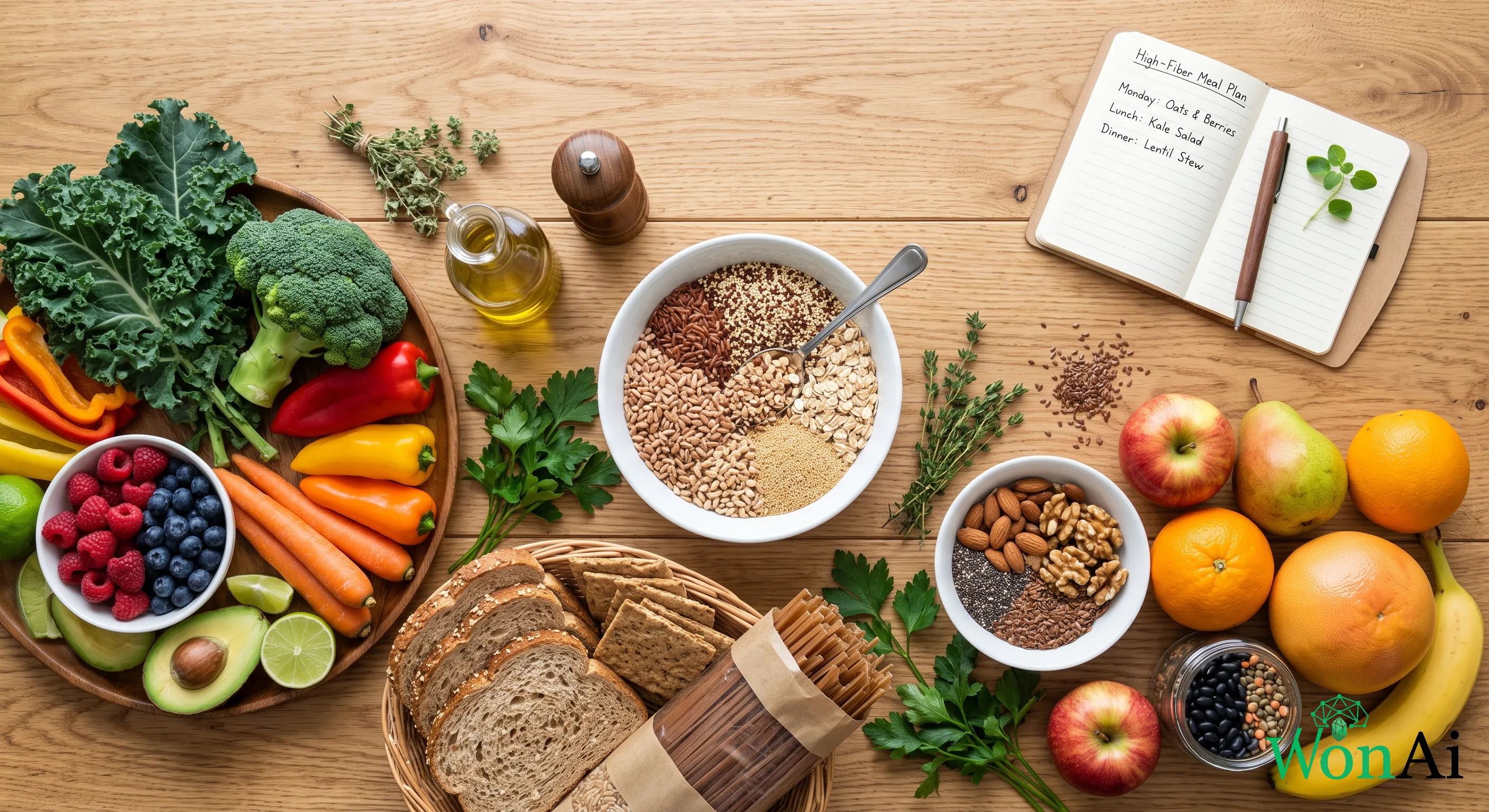 Natural Solutions and Nutritional Advice for Constipation
 What is Irritable Bowel Syndrome (IBS)? Symptoms and Management
⚖️ Legal Information and Warning:
This content has been prepared in accordance with the provisions of the Regulation on Promotional and Informative Activities in Health Services, published in the Official Gazette dated November 12, 2025, and numbered 33075, with the aim of informing the public in a health-protective and health-promoting manner. The information on this site does not replace a doctor's examination, personal diagnosis, or recommended treatment methods. Decisions regarding diagnosis and treatment should be made after the patient's individual clinical condition has been personally evaluated by a physician.