
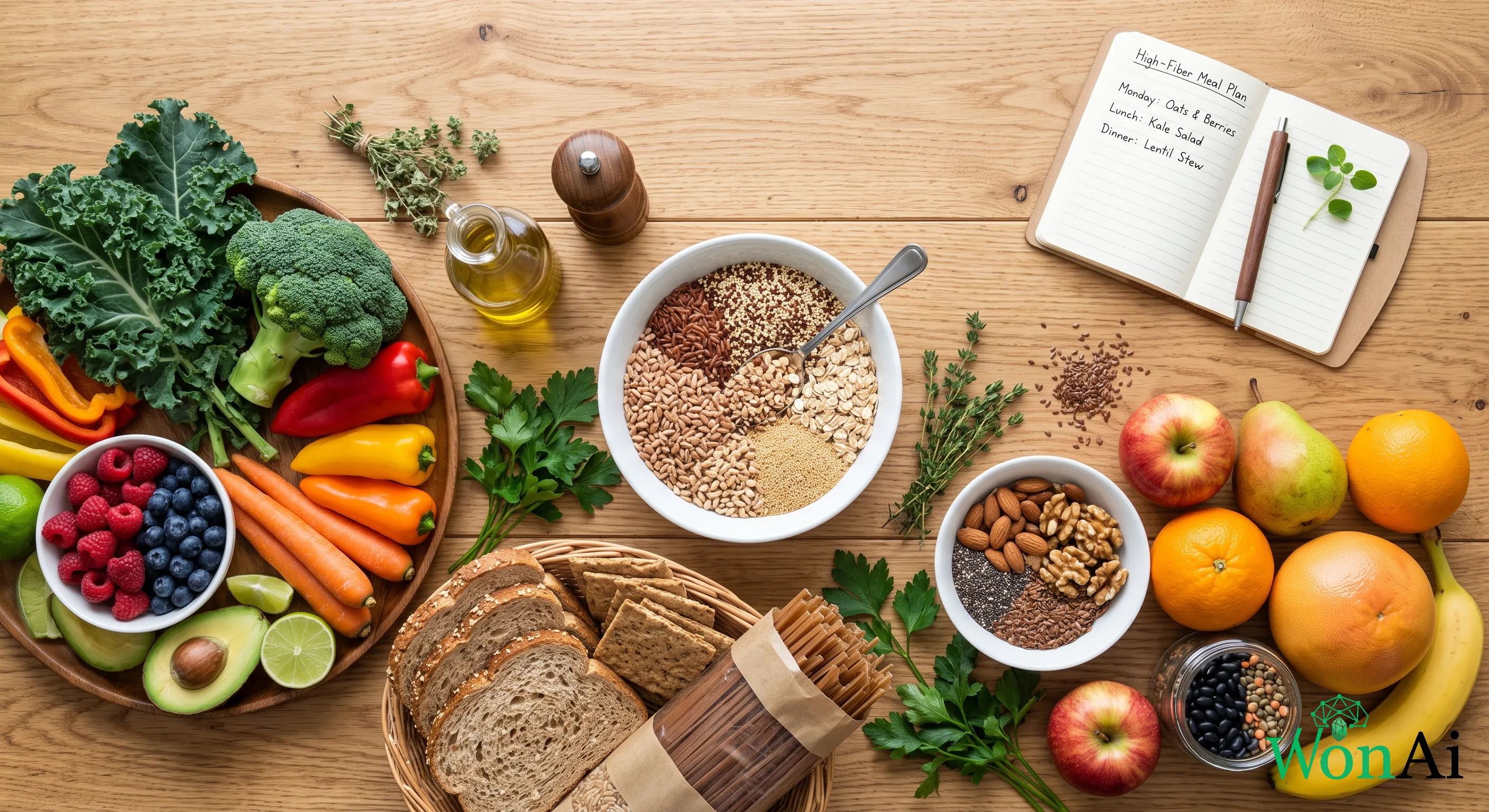
Natural Solutions and Dietary Recommendations for Constipation
Prof. Dr. İsmail Hakkı Kalkan – Gastroenterology Specialist in Ankara As a gastroenterology specialist, we recognize that constipation, one of the health problems associated with modern lifestyles, is a common digestive issue experienced by many people. This condition can reduce quality of life and may lead to serious health problems in the long term. Fortunately, it is possible to overcome this problem with natural solutions that can be applied at home and proper dietary habits.
What Is Constipation and What Are Its Causes?
Constipation is a condition in which bowel movements become slower or defecation becomes difficult. It is generally characterized by having fewer than three bowel movements per week. Causes of constipation include factors such as insufficient fiber intake, a sedentary lifestyle, inadequate water consumption, side effects of certain medications, and stress. If a more serious underlying condition is suspected, it is essential to consult a specialist.
What Are the Natural Methods That Help Relieve Constipation?
The answer to the question "What are the natural methods that help relieve constipation?" generally lies in lifestyle changes. Here are some effective natural solutions that you can easily apply at home:
- Adequate Water Intake: Drinking at least 8–10 glasses of water a day helps soften the stool and regulate bowel movements.
- High-Fiber Foods: Foods rich in fiber, such as vegetables, fruits, whole grains, and legumes, support regular bowel function.
- Physical Activity: Regular exercise stimulates the intestinal muscles and contributes to a more active digestive system.
- Probiotics: Foods containing probiotics, such as yogurt and kefir, or probiotic supplements may help relieve constipation by supporting the balance of the gut microbiota.
- Herbal Teas: Herbal teas such as fennel, mint, or chamomile may have digestive and soothing effects.
Dietary Recommendations for Constipation
Dietary recommendations for constipation are critically important for the health of your digestive system. Incorporating high-fiber foods into your diet plays a key role in managing this problem.
The Importance of High-Fiber Foods
Fiber passes through the intestines without being digested and helps increase stool volume and soften the stool. This makes bowel movements easier. Dietary treatment for constipation largely focuses on increasing fiber intake. The table below compares the benefits and examples of high-fiber foods:
| Food Group | Type of Fiber | Benefits | Examples |
|---|---|---|---|
| Vegetables | Insoluble | Increases bowel movements and stool volume | Spinach, broccoli, carrots |
| Fruits | Soluble & Insoluble | Softens stool and nourishes the gut microbiota | Apples, pears, plums, figs |
| Whole Grains | Insoluble | Speeds up intestinal transit time | Oats, brown rice, whole wheat bread |
| Legumes | Soluble & Insoluble | Helps lower cholesterol and supports gut health | Lentils, chickpeas, beans |
Natural Solutions for Constipation from Prof. Dr. İsmail Hakkı Kalkan, Gastroenterology Specialist in Ankara
Prof. Dr. İsmail Hakkı Kalkan – Gastroenterology Specialist in Ankara, provides comprehensive diagnostic and treatment services in Çankaya for digestive system disorders such as constipation, reflux, IBD, and motility disorders. If you cannot find relief through natural methods or your constipation has become chronic, it is very important to seek specialist advice to identify the underlying causes and develop a personalized treatment plan.
Remember that every individual's body is different, and medical intervention may be necessary in some cases. Taking the right steps for a healthy digestive system and seeking professional help when necessary are key to improving your quality of life.
Natural Solutions and Dietary Recommendations for Constipation: Guide & Atomic Answers
Constipation Management: Fiber Types, Benefits, and Example Foods
| Food Group | Type of Fiber | Benefits for the Digestive System | Example Foods |
|---|---|---|---|
| Vegetables | Insoluble Fiber | Increases bowel movements and makes intestinal transit easier by increasing stool volume. | Spinach, broccoli, carrots, leeks |
| Fruits | Soluble & Insoluble Fiber | Softens stool by helping it retain water and supports the gut microbiota. | Apples, pears, plums, figs, apricots |
| Whole Grains | Insoluble Fiber | Speeds up intestinal transit time and helps regulate digestion. | Oats, brown rice, whole wheat bread, buckwheat |
| Legumes | Soluble & Insoluble Fiber | Provides a prebiotic effect and supports cholesterol management and gut health. | Lentils, chickpeas, dried beans, kidney beans |
What is constipation (constipation disorder)?
Answer: Constipation is a condition in which bowel movements become slower or more difficult, resulting in fewer than 3 bowel movements per week. It is generally accompanied by hard stools, the need to strain, and a sensation of incomplete evacuation.
What are the most common causes of constipation?
Answer: The most common factors contributing to constipation include:
- Insufficient fiber and fluid intake
- A sedentary lifestyle and lack of exercise
- The habit of postponing the urge to use the toilet
- Stress, travel, and changes in routine
- Use of certain medications (painkillers, iron supplements, blood pressure medications)
- Metabolic or neurological conditions such as an underactive thyroid (hypothyroidism) or motility disorders
What are the natural solutions and lifestyle changes that help relieve constipation?
Answer: Effective natural methods that can be applied at home include:
- Adequate Water Intake: Drinking at least 8–10 glasses (2–2.5 liters) of water daily to help soften the stool.
- High-Fiber Diet: Adding vegetables, fruits, legumes, and whole grains to meals.
- Regular Physical Activity: Stimulating bowel movements through walking and exercise to prevent sluggish bowel function.
- Probiotic Support: Supporting a healthy gut microbiota through fermented foods such as yogurt and kefir.
- Herbal Teas: Benefiting from digestive and soothing teas such as fennel, mint, and chamomile.
How do high-fiber foods work in the treatment of constipation?
Answer: Fiber reaches the intestines without being digested. Insoluble fiber increases stool volume and stimulates the intestinal wall, helping speed up transit; soluble fiber absorbs water and forms a gel-like consistency, helping soften the stool and allowing it to pass more easily.
When should you see a doctor for constipation?
Answer: If constipation becomes chronic or is accompanied by any of the following "alarm symptoms," a gastroenterology specialist should be consulted without delay:
- Blood in the stool or black stools
- Severe abdominal pain or cramps
- Sudden unexplained weight loss
- Fever, nausea, or vomiting
- Sudden changes in bowel habits beginning after the age of 50
- Persistent constipation that does not improve despite lifestyle and dietary changes