

Why is colon health important?
The colon plays vital roles such as water and electrolyte absorption, stool formation, and maintaining the balance of the microbiota, which consists of trillions of beneficial bacteria. A healthy colon flora directly determines not only the digestive system but also immune functions and metabolic balance.
What are the most common symptoms of colon diseases?
Persistent abdominal pain and cramps, lasting changes in bowel habits (prolonged diarrhea or persistent constipation), fresh or dark blood in the stool, unexplained weight loss, and persistent bloating are the most fundamental warning signs.
Which foods are most effective for protecting gut microbiota?
Fermented foods rich in probiotics like yogurt and kefir, along with prebiotic fiber sources that feed beneficial bacteria (oats, leeks, onions, garlic, bananas, and legumes), are the most effective foods for increasing gut microbiota diversity.
Do colon polyps cause symptoms?
Polyps usually cause no pain or significant complaints in their early stages. They are mostly detected incidentally during routine screening colonoscopy. When they grow, they can cause occult bleeding or changes in bowel habits; therefore, regular screening colonoscopy from the age of 45 is vital.
In our daily lives, digestive and excretory problems we frequently encounter often stem from deteriorations in colon health. The physiology of this organ, often referred to as the body's second brain, the colon diseases that may be encountered, and evidence-based nutrition and lifestyle strategies to protect this organ are discussed scientifically in this guide.
Basic Functions of the Colon and Microbiota
The colon (large intestine and rectum), which forms the final section of the digestive system, is a muscular organ approximately 1.5 meters long. It reabsorbs water and minerals from digested food residues coming from the small intestine, thus concentrating the stool and preparing it for excretion.
However, the colon's function is not limited to mechanical excretion:
- Gut Microbiota: The colon hosts trillions of microorganisms that live in a symbiotic relationship with our body. This microbial balance plays a role in a wide biological spectrum, from educating the immune system to synthesizing K and B group vitamins.
- Gut-Brain Axis: Neurotransmitters produced in the gut (especially a large part of serotonin) have direct effects on general mood and stress response via the nervous system.
Common Colon Diseases and Clinical Pictures
Colon diseases encompass a wide spectrum, from functional disorders to inflammatory and structural processes:
1. Irritable Bowel Syndrome (IBS)
IBS is a functional bowel motility disorder characterized by abdominal pain, cramps, persistent gas, bloating, and changes in bowel habits (diarrhea or constipation attacks) without organic tissue damage. Dysregulation of gut-brain interaction and visceral hypersensitivity play significant roles in the development of the disease.
2. Inflammatory Bowel Diseases (IBD)
Characterized by chronic inflammation of the colon originating from the immune system. It has two main subgroups:
- Ulcerative Colitis: A chronic inflammatory process that directly affects the mucosal layer of the colon, progressing with bloody diarrhea and abdominal pain attacks.
- Crohn's Disease: A disease that can affect any layer of the digestive tract from the mouth to the anus, characterized by abdominal pain, diarrhea, and weight loss.
3. Diverticular Disease
Small sacs that protrude outwards from weak points in the muscular layer of the colon are called diverticula. They are often caused by a low-fiber diet and chronic straining. If these sacs become inflamed (diverticulitis), acute clinical conditions such as severe lower left abdominal pain, fever, and nausea can develop.
4. Bowel Polyps and Colorectal Cancer
Benign, mole-like growths that develop in the colon mucosa, polyps have the potential to become cancerous over time due to genetic and environmental factors. A large portion of colorectal cancers initially progress silently at the polyp stage. Therefore, international guidelines consider screening colonoscopy from the age of 45 as a fundamental standard of preventive medicine, even in the absence of any complaints.
5. Functional Gas and Bloating
Gas is naturally released during the fermentation of foods by gut bacteria. However, in the presence of gut microbiota imbalance (dysbiosis), excessive bacterial overgrowth (SIBO), or bowel motility disorders, this can turn into intense gas pains and significant abdominal distension (bloating).
Diet and Lifestyle for a Healthy Colon
Scientific-based lifestyle steps to optimize colon function and reduce disease risks include:
Eating Habits
- High-Fiber Foods: Soluble and insoluble fiber sources such as vegetables, fruits, legumes, and whole grains increase stool bulk, regulate bowel transit time, and prevent constipation and diverticula formation.
- Adequate Hydration: Consuming an average of 2 - 2.5 liters of water per day ensures that fibers swell and soften the stool, preventing trauma to the anal region.
- Natural Probiotics and Prebiotics: Homemade yogurt, kefir, and other fermented dairy products enrich the microbiota, while prebiotic vegetables like leeks, artichokes, Jerusalem artichokes support the colonization of beneficial bacteria.
- Reduction of Processed Products: Ultra-processed packaged foods, refined sugars, and saturated fats can reduce microbiota diversity and weaken the gut barrier.
Lifestyle Adjustments
- Regular Physical Activity: At least 150 minutes of moderate-intensity walking or exercise per week stimulates bowel peristalsis (natural rhythmic contractions) and prevents sluggishness.
- Stress Management: Chronic stress negatively affects gut permeability and motility. Regular sleep and relaxation techniques are an integral part of gut health.
- Tobacco and Alcohol Restriction: Smoking and excessive alcohol consumption trigger mucosal inflammation, increasing the risk of polyps and gastrointestinal malignancies.
Dietary Choices Table for Colon Health
| Food Group | Supports Gut Health | Should Be Limited |
|---|---|---|
| Fiber Sources | Oats, chia seeds, lentils, vegetables | White flour products, refined pastries |
| Probiotic & Fermented | Natural yogurt, kefir, naturally fermented products | Excessively sugary and artificially flavored probiotic drinks |
| Fluids | Water, mint-chamomile tea, sugar-free compotes | Acidic carbonated drinks, excessive caffeinated products |
| Fats | Cold-pressed olive oil, walnuts, avocado | Trans fats, deep-fried foods, processed deli meats |
| Sugars | Natural fructose from fresh fruits | Refined table sugar, high-fructose corn syrup |
When to Consult a Specialist Doctor?
The biological structure of the digestive system has different dynamics in each individual. When alarm symptoms such as persistent changes in bowel habits, rectal bleeding, persistent cramps, or involuntary weight loss are noticed, the situation should be investigated by a Gastroenterology or Internal Medicine specialist without delay and without resorting to self-medication.
You Might Also Be Interested In:
 What is Irritable Bowel Syndrome (IBS)? Symptoms and Management
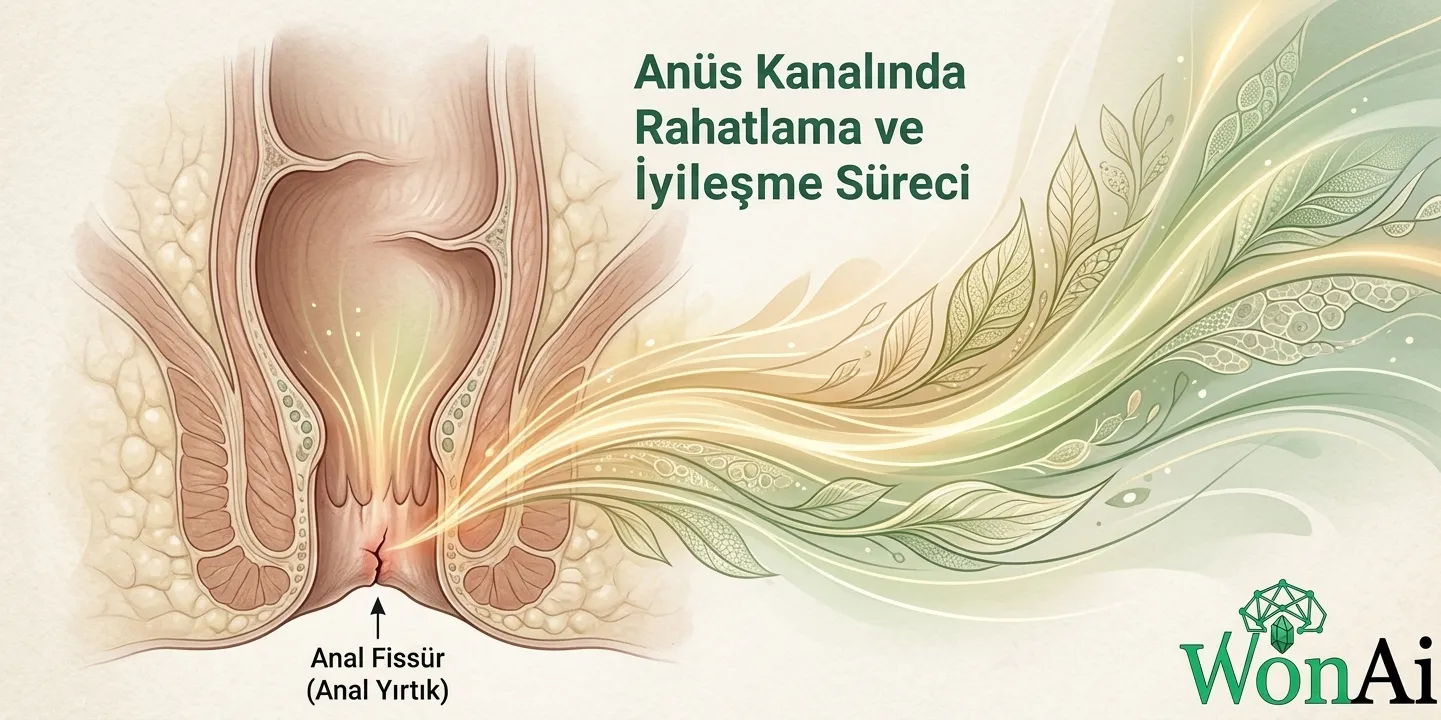 Anorectal Diseases: Anal Fissure and Treatment Methods
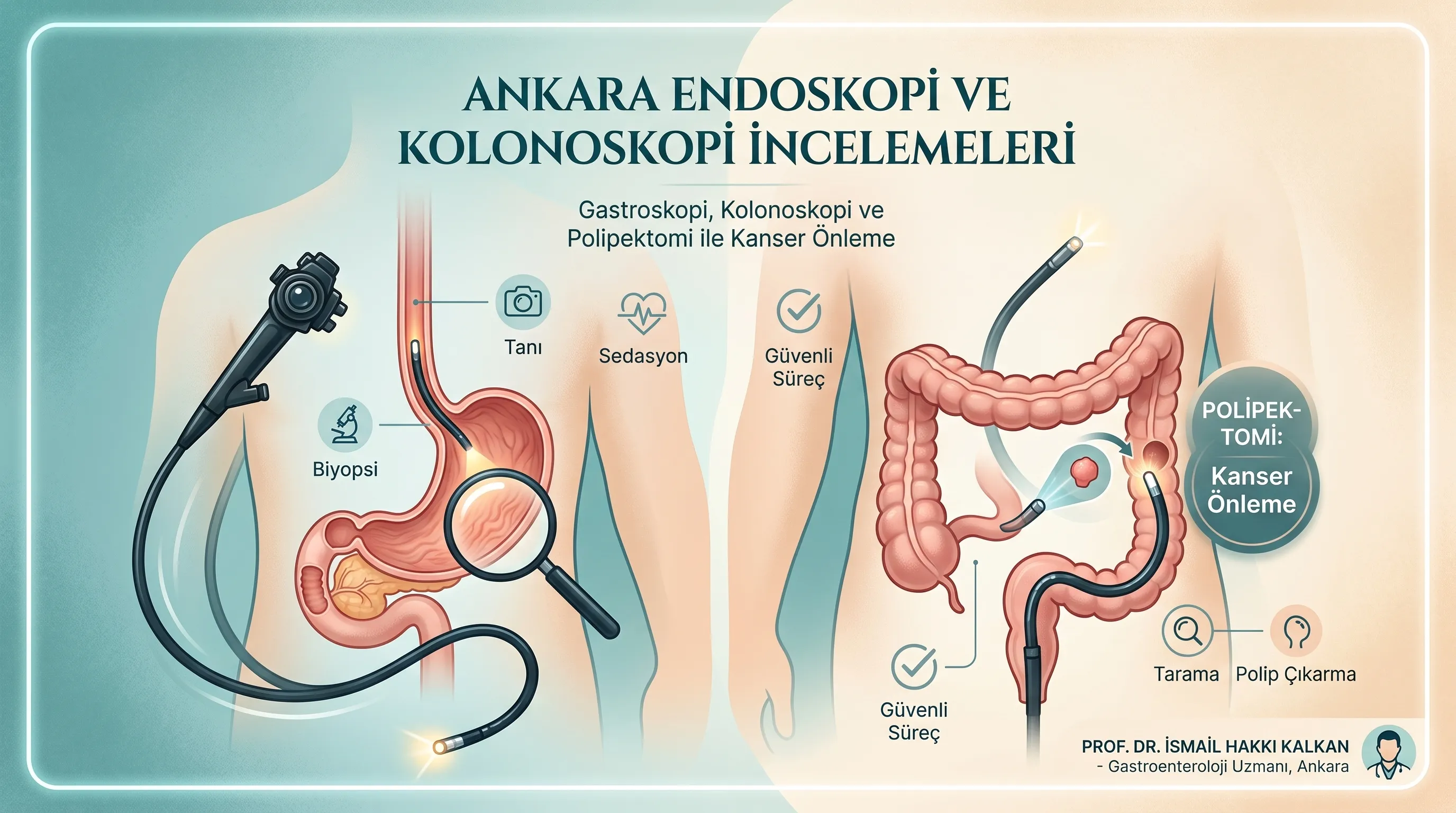 Ankara Endoscopy and Colonoscopy Examinations
⚖️ Legal Information and Disclaimer:
This content has been prepared in accordance with the provisions of the Regulation on Promotional and Informative Activities in Health Services, published in the Official Gazette dated November 12, 2025, and numbered 33075, with the aim of informing the public in a health-protective and health-promoting manner. The information on this site does not substitute for a doctor's examination, personal diagnosis, or treatment recommendations. Decisions regarding diagnosis and treatment should be made after the patient's individual clinical condition has been personally evaluated by a physician.