
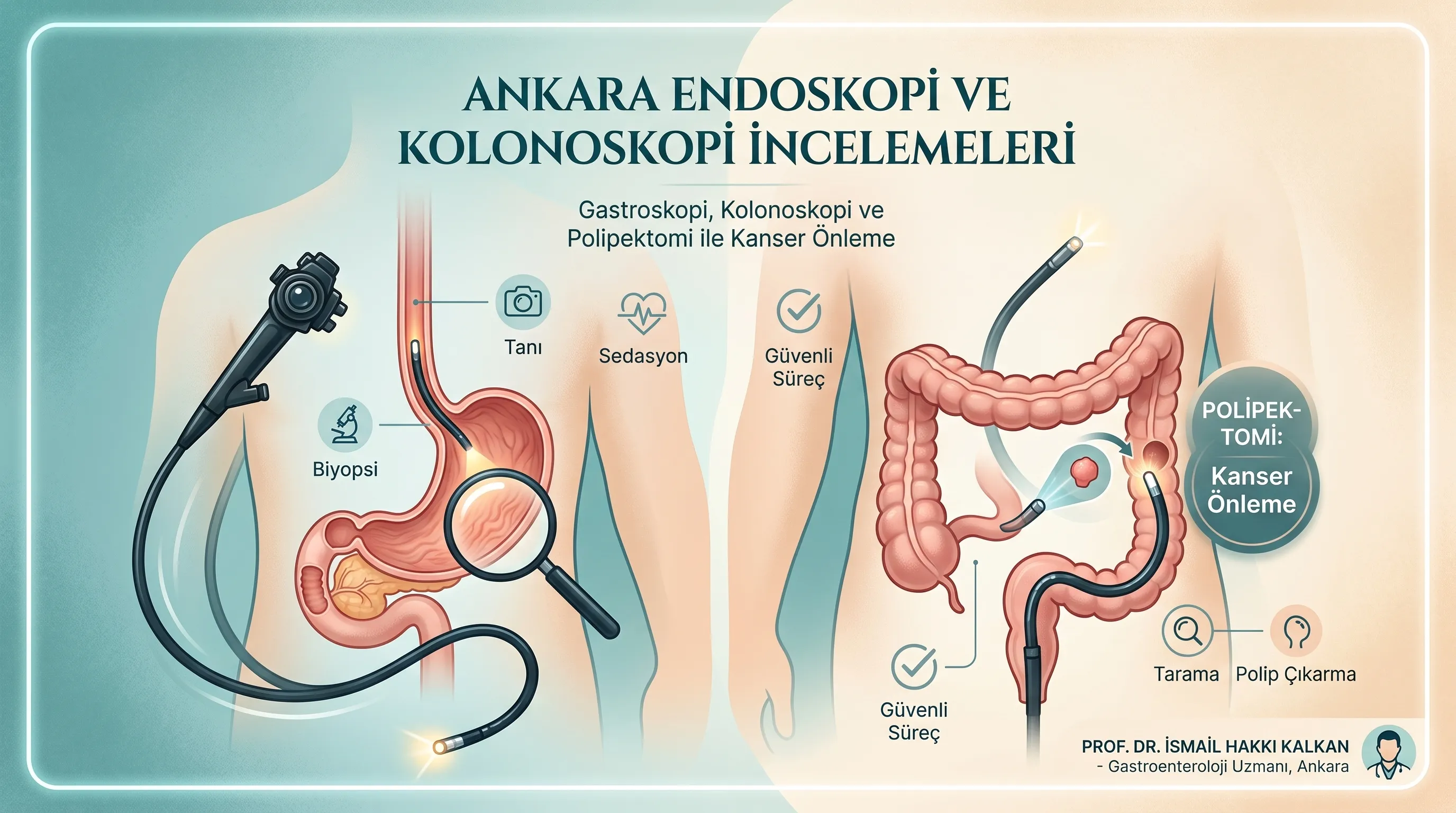
Are endoscopy and colonoscopy procedures painful?
The procedures are performed in a fully equipped hospital setting under the supervision of an anesthesiologist with sedation (a state of light sleep). Since the patient is in a deep sleep, they do not feel gagging, pressure, or pain in the throat during the procedure; they usually do not remember the process.
Is polyp removal (polypectomy) during colonoscopy dangerous?
Polypectomy is the most effective preventive medicine method for preventing bowel cancer. Since there are no nerve endings on the inner surface of the large intestine, no pain is felt during polyp removal; the procedure is safely completed in the same session with special endoscopic equipment.
Is it necessary to have a colonoscopy even if there are no complaints?
Yes. International gastroenterology guidelines recommend screening colonoscopy for individuals even without a family history of risk, starting from age 45, due to the lack of early symptoms in colon cancer. For those with a family history of bowel cancer, the screening age is set earlier.
Ankara Endoscopy and Colonoscopy Examinations: Gastroscopy, Colonoscopy, and Polypectomy
Endoscopic examinations are considered the gold standard in modern medicine for directly visualizing digestive system organs with high-resolution optical systems, screening for early-stage cellular changes, performing microscopic tissue sampling (biopsy), and removing precancerous lesions like polyps without the need for surgery.
Prof. Dr. İsmail Hakkı Kalkan performs his patients' endoscopic diagnostic and therapeutic procedures in the advanced endoscopy units of contracted fully-equipped hospitals, under the supervision of an anesthesiologist (with sedation).
1. Gastroscopy (Upper Gastrointestinal Endoscopy)
Gastroscopy is the detailed examination of the esophagus, stomach, and duodenum using high-resolution cameras.
In Which Clinical Conditions Is It Evaluated?
- Persistent reflux, burning in the chest, and bitter water coming into the mouth, unresponsive to standard antacid treatments,
- Difficulty swallowing (dysphagia), feeling of food sticking in the esophagus, or painful swallowing,
- Unexplained weight loss, loss of appetite, or resistant iron deficiency anemia found in tests,
- Persistent stomach pain, nausea, vomiting, and suspected gastrointestinal bleeding,
- Clinical screenings for individuals with a family history of stomach or esophageal cancer.
During the procedure, painless micro-biopsies can be taken without disturbing tissue integrity to check for Helicobacter pylori presence, gastritis, peptic ulcer, celiac suspicion, or areas showing cellular changes (Barrett's esophagus, etc.).
2. Colonoscopy and Polypectomy (Lower Gastrointestinal Endoscopy)
Colonoscopy is the detailed examination of the entire large intestine (colon and rectum) and the last part of the small intestine (terminal ileum), starting from the anal canal.
The Role of Colonoscopy in Preventing Colorectal Cancer
A large proportion of large intestine cancers initially develop as benign growths called "polyps" on the inner surface of the intestine. Polyps detected during colonoscopy screening are completely removed in the same session using the polypectomy method, greatly eliminating the risk of colorectal cancer development. International health authorities recommend that every individual undergo screening colonoscopy from the age of 45, even if they have no symptoms.
Other Clinical Indications:
- Unexplained persistent changes in bowel habits (chronic diarrhea or new-onset constipation attacks),
- Rectal bleeding, visible fresh blood in stool, or positive occult blood in laboratory tests,
- Anemia accompanied by unexplained weight loss and chronic fatigue,
- Definitive diagnosis and clinical follow-up of Inflammatory Bowel Diseases (IBD) such as Crohn's disease and Ulcerative Colitis.
Safety and Patient Comfort Standards
- Comfortable Process with Sedation: Procedures are performed under controlled sedation (sleep state) administered by an anesthesiologist. This ensures that the patient does not experience stress, nausea, or pain during the procedure, making the process completely comfortable.
- Fully Equipped Hospital Facilities: Interventional endoscopic examinations are performed in licensed hospital settings with high-level sterilization, technological infrastructure, and emergency intervention capabilities.
You Might Also Be Interested In:
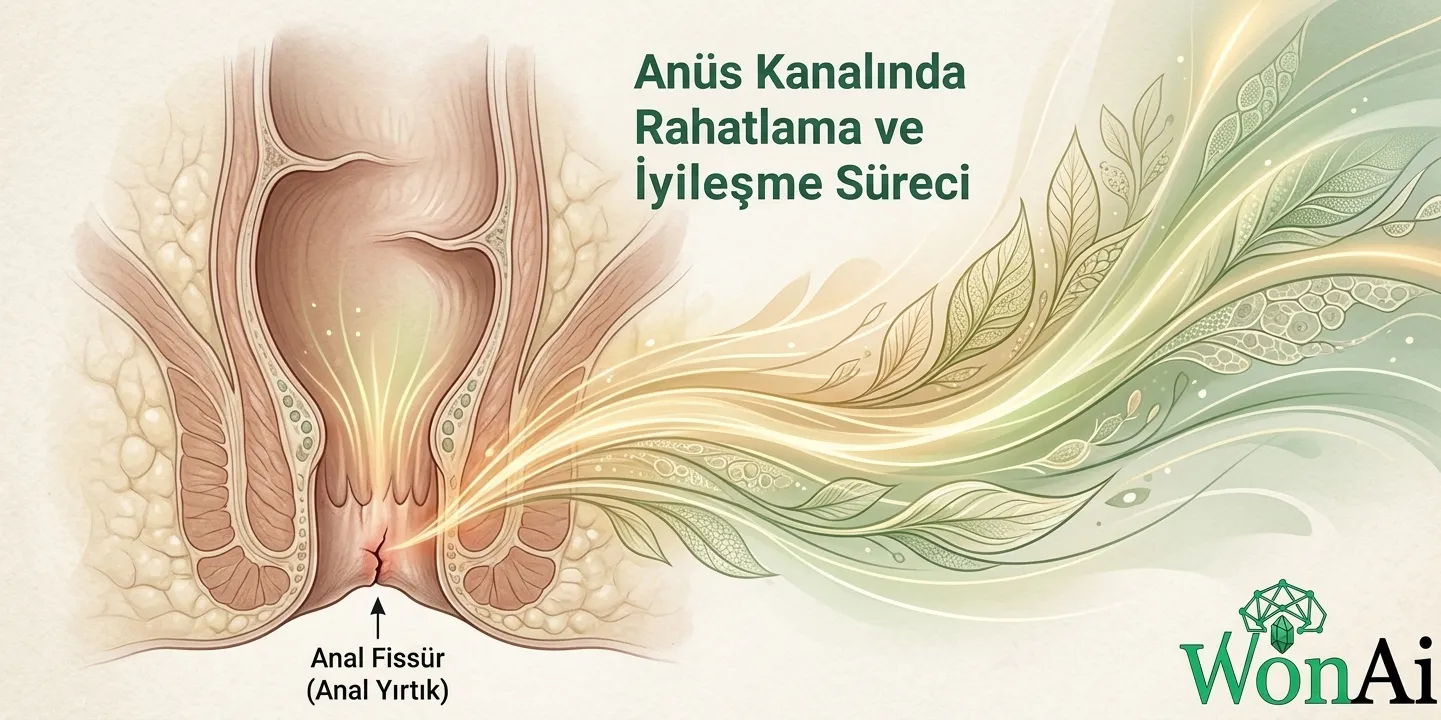 Anorectal Diseases: Anal Fissure and Treatment Methods
 Ulcerative Colitis: Symptoms, Diagnosis, and Lifestyle Management
⚠️ Legal Interventional Procedure Warning (Regulation of November 12, 2025, Article 7/1-k):
"Results may vary from person to person in every surgical or interventional procedure. It is recommended to get a detailed consultation from your physician before the procedure."
This content has been prepared for public health protection and informational purposes in accordance with the Regulation on Promotional and Informative Activities in Health Services dated November 12, 2025. It does not replace a physician's examination and individual clinical assessment.